Why good software ideas in Cambodia stay ideas
On this page
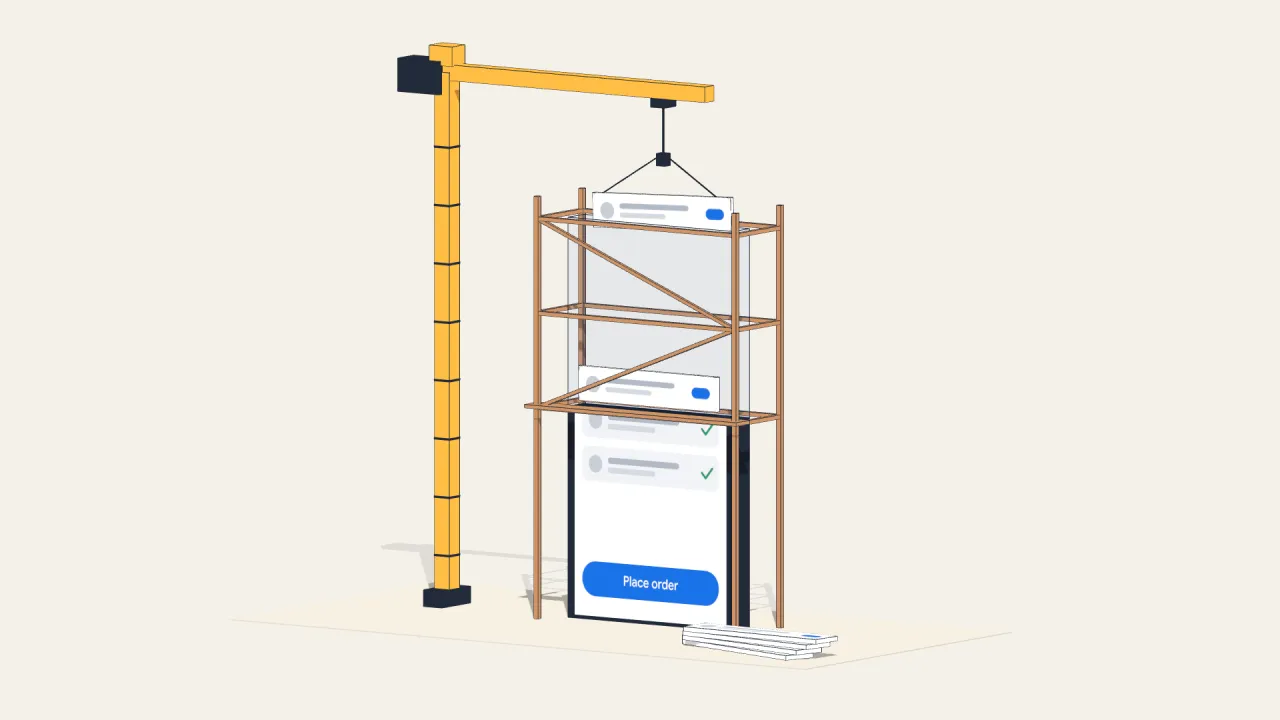
My uncle works in healthcare, and he has an idea for a health app that comes from a problem he sees at work every day. I think it’s a very good idea. He doesn’t have the budget to finish it. I’ve built a good part of it myself, but getting it the rest of the way needs more than my spare time. So right now it sits on my laptop, partly built.
I hear versions of this story a lot in Cambodia. When people find out I build software, they often tell me about an app they want to make, and many of the ideas are good. They come from people who understand a problem in their own business or town better than any outside company would.
Then we get to cost, and that’s usually where it ends. Sometimes, like with my uncle, the person doesn’t have the money. Other times they have some, but don’t want to put it into software. And many don’t know there are other ways to fund it.
I build software for a living, and I’m currently leading the build of a loan origination system for a financial institution. Cambodia has plenty of ideas, but few of them reach a first working version. Building software people can rely on costs money, and in Cambodia that money is hard to find. Both the people with ideas and the people with money can change that.
When the developer is family
I started building my uncle’s app myself because he’s family and I believed in the idea. It was also a chance to learn new things, like using AI to read prescriptions and to turn a request written in plain language into a list of medicines. It got a lot further than most ideas do. Customers can ask for what they need, and the app finds one shop that can fill the whole list. Shops get a dashboard to manage their stock and confirm payments, and there’s an admin side for running the whole service. It all works in Khmer and English.
What’s left is the part that costs the most. The app has to be finished and proven to work with real users. After that comes a second job: getting people to use it, and keeping it running once they depend on it. That’s months more work. Then I started a new full-time job, and the app has been on hold ever since.
Goodwill and spare time got the app this far. The rest takes a real budget, and there are two common suggestions for getting around that.
Why not just use an existing app?
The first is to use something that already exists. My uncle thought about a POS system, Grab and other local apps. For a lot of businesses, one of those is the right call. If an off-the-shelf tool does the job, use it.
Each of them covers part of the idea. A POS runs the counter in one shop, and it can stretch to a few branches. Grab and other delivery apps take an order from one shop to the customer’s door. None of them take a customer’s whole list, check it against stock at shops in different provinces, and turn it into one order, one payment and one delivery. Add Khmer and English, payments through local banking apps, and staff at each shop who should only see their own orders, and you’re past what any of these tools were built for. Stitching several of them together across the country brings its own headaches, and keeping them in sync is ongoing work.
A POS runs one counter. This has to work across the country.
Why not just vibe code it?
The second is AI. I use AI coding tools every day, and they make me faster. Vibe coding, where you describe what you want and accept whatever the AI writes, can get you a convincing demo in a weekend. It won’t tell you what the demo is missing.
Most of software engineering is the work a demo doesn’t show. In my uncle’s app, that meant deciding which shop staff can change which settings, and what happens to an order when a shop rejects a payment. It meant making sure someone who mentions chest pain is told to see a doctor, and that the AI doesn’t suggest antibiotics from a description of symptoms. About 570 automated tests run before any change goes in. AI can write a lot of that code. Someone still has to know it needs to exist, check that it’s right, and fix it when something breaks after launch.

Vibe coding gets you the front. What’s behind it still has to be built.
Neither shortcut removes the need for a budget, which brings it back to money.
Money goes where people can see it
Cambodians with money to invest tend to put it into things they can see and touch: land, a shophouse, a car, a café. If a café doesn’t work out, you can sell the equipment or rent the space to someone else. Software doesn’t give that comfort. You pay for months of work, and what you get at the end is an app on a phone. To someone who hasn’t built one, that app looks like it should have been cheap.
Many also expect to pay for software once, the way you’d pay a contractor to build a house, and leave nothing for hosting, fixes or updates. Then they go with the cheapest quote, get an app that half works, and decide software is a waste of money. They tell their friends, and that story travels faster than any success story.
Early money for tech is also thin. Startup Cambodia Insight 2024, a report from the Techo Startup Center, points to funding gaps, talent shortages and weak investor exits as hurdles for early-stage startups. The Tech Startup Founders Outlook 2025 flagged little follow-up once support programs ended, especially outside Phnom Penh. I’d expect the road to a first investor to be even longer for someone with an idea in the provinces.
To people with ideas
An idea on its own is worth little until you have some evidence that people want it. Evidence changes every conversation you’ll have, with your family, with investors and with developers.
Start with the tools your customers already use. Many Cambodians chat, sell and take orders on Telegram and Facebook. A Telegram group, a Google Sheet and a KHQR code can show whether people will use your service and pay for it, before you pay anyone to build an app. A rough prototype you vibe coded over a weekend works too, as long as you don’t launch it to real customers as it is.
Put something of your own in, whether that’s a small budget, your evenings, or your first twenty customers signed up by hand, even if that means visiting them one by one.
Then look past your own savings. In Cambodia, families often pool money to open a shop or a market stall. The same can work for software, as long as everyone understands the risk. The government-backed Khmer Enterprise gives grants to startups and runs competitions with cash prizes. Angel investors and venture capital firms are another option, though they usually want to see early users first. Some founders get their first customer to pay for the first version.
To people with money
You already take risks. Opening a restaurant or a shop is a bet, and not every one survives. Software can be the same kind of bet.
Ask for a quote on a version that solves one problem for one kind of user. Then fund it in stages: pay for that version, see whether people use it and come back, and decide the next step from there. You don’t have to commit to the whole app on day one.
Look for founders who have already tested something, even something rough. A plain app that fifty people use every week tells you more than a polished pitch deck.
What I’d like to see
The people who understand Cambodian problems best are usually the ones living with them, and a lot of their ideas stop once they see what it costs to build. I’d like to see more of those ideas reach a first working version.
If you have an idea, get ten people to try a rough version this month. If you have money, set aside a small amount this year for one software idea from someone who lives with the problem.
If you’ve been on either side of this in Cambodia, what made the difference?
0likes
thank you!This article first appeared on linkedin.com